Description
How This Works
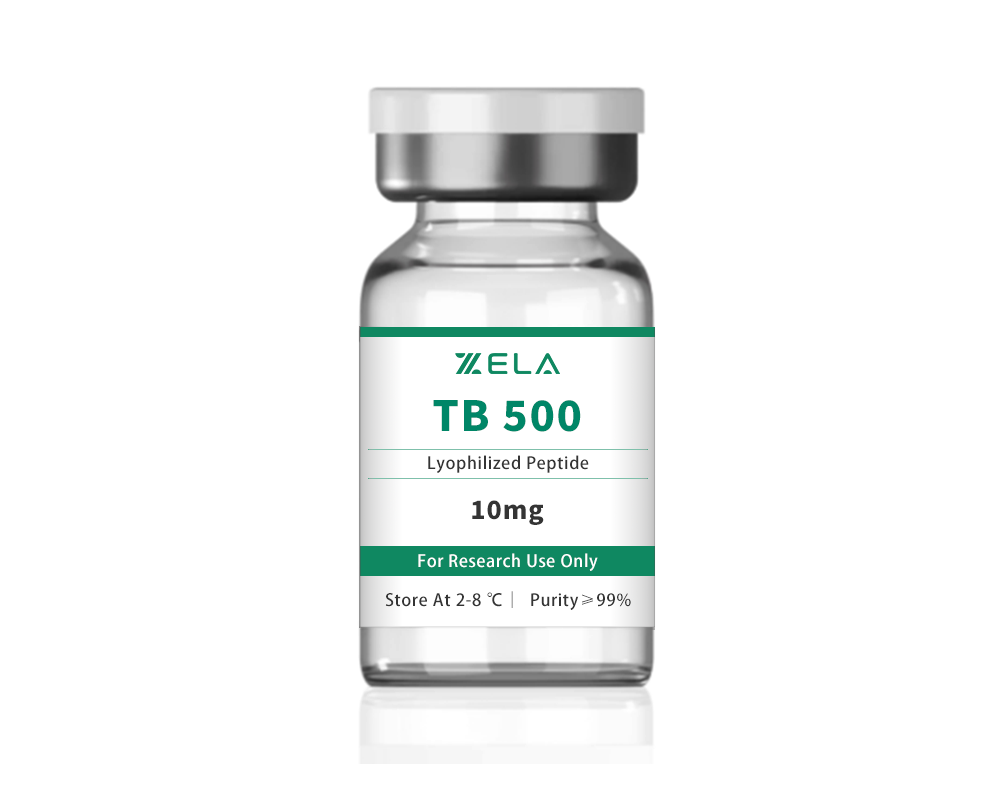
TB‑500 represents the N‑terminal active fragment of thymosin beta‑4, specifically the heptapeptide sequence Ac‑LKKTETQ[1][2]. This region is responsible for the actin‑binding and cell‑migration properties of the full thymosin molecule. Preclinical studies demonstrate that TB‑500 promotes angiogenesis, accelerates wound healing, and supports tissue regeneration by upregulating cell motility and blood vessel formation[5][6]. Research in animal models shows enhanced collagen deposition and reduced healing time in injury sites treated with thymosin fragments[11]. Recent metabolic studies suggest TB‑500 may act as a prodrug, cleaving to an active pentapeptide metabolite that drives biological activity[12].
Potential Benefits & Side Effects
Observations from preclinical and veterinary literature.
- Supports accelerated wound healing and tissue repair through enhanced angiogenesis and cell migration[5][6].
- May reduce inflammation and fibrosis indirectly via thymosin pathways observed in animal models[11].
- Generally well tolerated in veterinary studies; occasional mild injection‑site reactions (redness, tenderness) reported.
- Human safety data is limited; no large‑scale clinical trials have been completed for TB‑500 specifically[13].
Lifestyle Factors
Complementary strategies for optimal research outcomes.
- Maintain adequate protein intake to support tissue repair and regeneration processes.
- Combine with appropriate physical activity; avoid overtraining during injury recovery phases.
- Prioritize sleep (7–9 hours) to maximize natural recovery and repair mechanisms.
- Manage stress levels through evidence‑based practices to support overall healing.

 BRL R$


Reviews
There are no reviews yet.