Description
How This Works
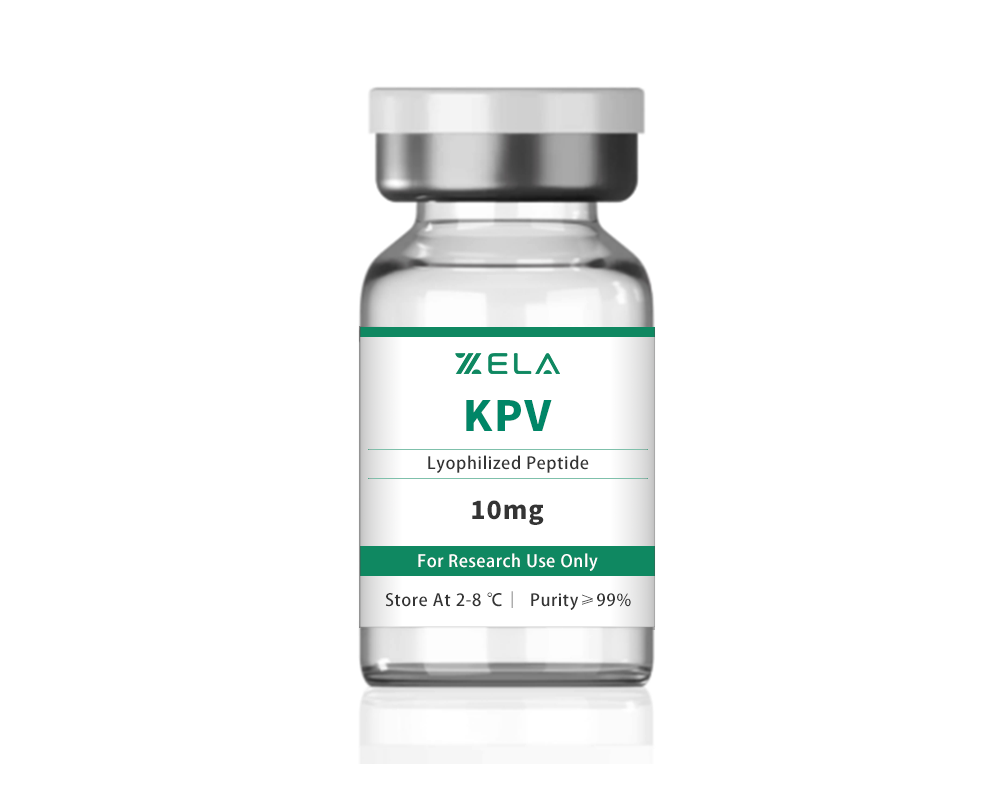
KPV is the C‑terminal tripeptide sequence (residues 11–13) of α‑melanocyte‑stimulating hormone (α‑MSH), retaining potent anti‑inflammatory activity without the hormone’s melanotropic effects[1][2]. Preclinical studies demonstrate KPV reduces pro‑inflammatory cytokines (TNF‑α, IL‑6, IL‑1β) and modulates immune cell activity in models of inflammatory bowel disease, colitis, and systemic inflammation[3]. The peptide’s mechanism involves inhibition of nuclear factor kappa B (NF‑κB) signaling and modulation of inflammatory mediator release[2]. Subcutaneous administration provides systemic delivery with rapid absorption and sustained anti‑inflammatory effects observed in daily dosing protocols[4].
Potential Benefits & Side Effects
Observations from preclinical and early‑stage research.
- Anti‑inflammatory activity: Reduces pro‑inflammatory cytokines and modulates immune responses in models of inflammatory bowel disease and systemic inflammation[3].
- Oral and subcutaneous efficacy: Multiple routes of administration show activity, with subcutaneous injection favored for systemic delivery and consistent bioavailability[4].
- Wound healing support: Preclinical data suggest KPV may support tissue repair and wound healing processes through inflammatory modulation[5].
- Generally well tolerated: Occasional mild injection‑site reactions (redness, slight swelling) may occur; systemic side effects are rarely reported in research protocols.
- No melanotropic effects: Unlike full α‑MSH, KPV does not affect melanocyte activity or skin pigmentation[1].
Lifestyle Factors
Complementary strategies for optimizing inflammatory balance.
- Anti‑inflammatory diet: Emphasize whole foods, omega‑3 fatty acids, polyphenols, and minimize processed foods and refined sugars.
- Stress management: Chronic stress elevates inflammatory markers; incorporate stress‑reduction practices (meditation, yoga, adequate sleep).
- Physical activity: Regular moderate exercise supports healthy inflammatory balance; avoid overtraining which can increase inflammation.
- Sleep optimization: Prioritize 7–9 hours of quality sleep nightly to support immune regulation and inflammatory homeostasis.
- Gut health: Support microbiome diversity through probiotic‑rich foods and adequate fiber intake, particularly relevant for inflammatory bowel conditions.

 BRL R$


Reviews
There are no reviews yet.