Description
How This Works
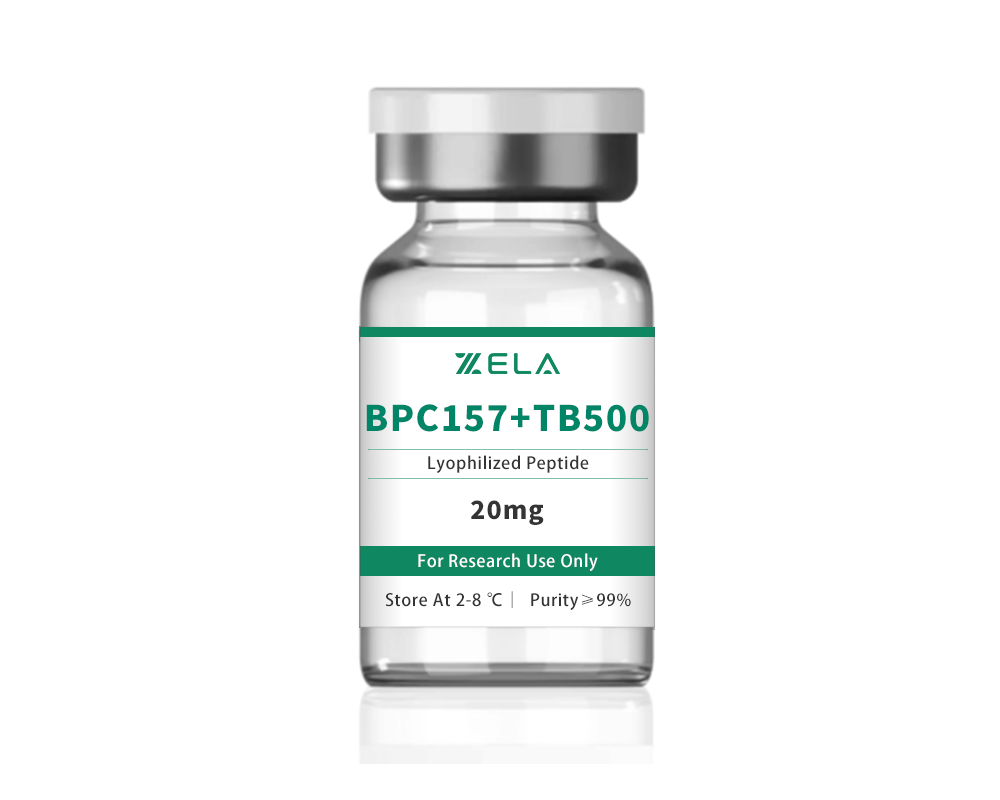
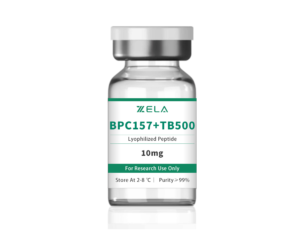
BPC-157 is a synthetic pentadecapeptide (15 amino acids) originally isolated from human gastric juice. Preclinical research indicates it exerts cytoprotective effects across multiple organ systems, promotes angiogenesis, modulates nitric oxide pathways, and interacts with growth-factor systems involved in tissue repair[1][2]. TB-500 (Thymosin β4) is a naturally occurring peptide that regulates actin polymerization, promotes cell migration, reduces inflammation, and supports wound healing and tissue regeneration[3][4]. The combination is hypothesized to provide complementary mechanisms for accelerated musculoskeletal and soft-tissue recovery.
Potential Benefits & Side Effects
Observations from preclinical and early clinical literature.
- Tissue Repair: Both peptides demonstrate wound-healing, tendon-repair, and anti-inflammatory properties in animal models[1][3][10].
- Gastrointestinal Support: BPC-157 shows gastroprotective and ulcer-healing effects in preclinical studies[2].
- Safety Profile: Preclinical data indicate a wide safety margin for BPC-157 (no lethal dose up to ~20 mg/kg); TB-500 human tolerability studies report mild adverse events at doses up to 1,260 mg[5][11].
- Possible Side Effects: Occasional mild injection-site reactions (redness, itching); rare reports of transient dizziness or nausea; long-term human safety data remain limited.
Lifestyle Factors
Complementary strategies for best outcomes.
- Prioritize adequate protein intake to support tissue synthesis and repair.
- Combine with appropriate rehabilitation protocols when addressing musculoskeletal injuries.
- Ensure quality sleep and stress management to optimize recovery and healing responses.
- Stay hydrated and maintain balanced micronutrient intake (vitamins C, D, zinc) to support connective-tissue health.

 BRL R$


Reviews
There are no reviews yet.