Description
How This Works
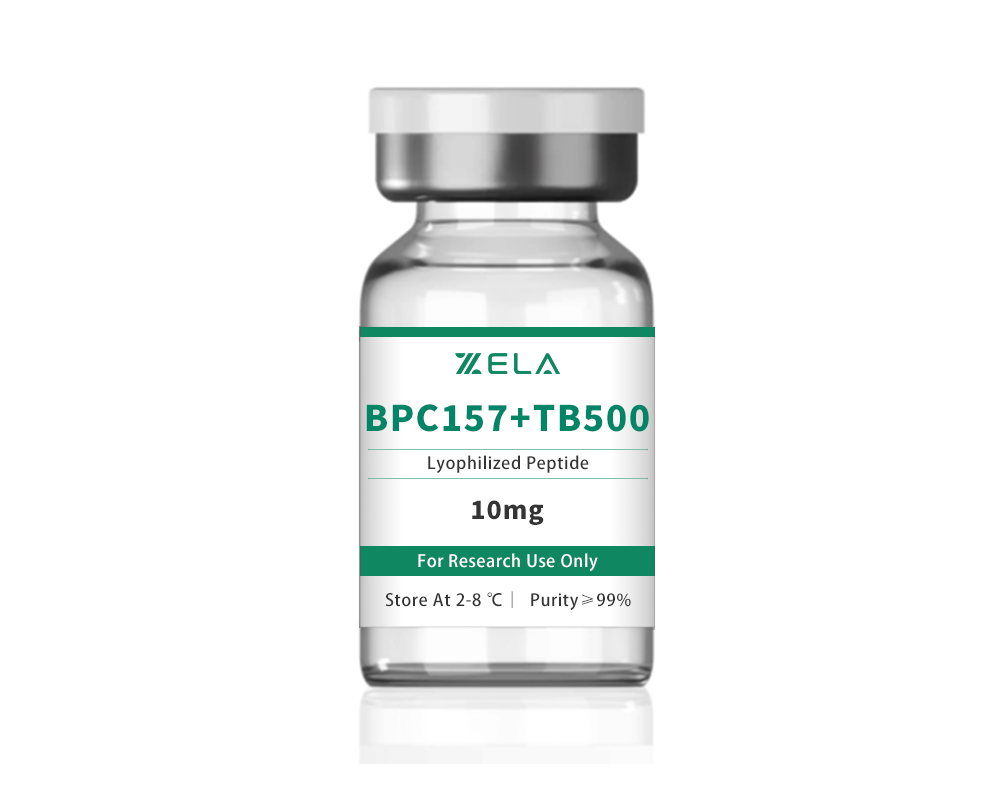
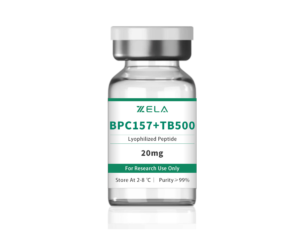
BPC-157 is a stable pentadecapeptide that promotes angiogenesis, modulates nitric oxide pathways, and demonstrates broad cytoprotective effects across gastrointestinal, musculoskeletal, and neurological tissues in preclinical models[1][2]. It has shown activity at very low doses (nanogram to microgram per kilogram) without demonstrable toxicity in animal studies[11].
TB-500 (Thymosin Beta-4) is an actin-sequestering peptide that promotes cell migration, wound healing, and anti-inflammatory responses[3][4]. It is well-tolerated in animal and early clinical studies, even at multi-milligram doses[12].
Combining these peptides may provide complementary mechanisms for tissue repair: BPC-157 for its trophic and anti-inflammatory effects, and TB-500 for enhanced cell migration and angiogenesis[8].
Potential Benefits & Side Effects
Observations from preclinical and limited clinical literature.
- May support accelerated healing of tendons, ligaments, muscles, and soft tissue injuries[1][5].
- Preclinical evidence suggests gastroprotective and anti-inflammatory properties for BPC-157[2].
- TB-500 promotes wound healing and may reduce scarring through enhanced cell migration[3].
- Both peptides are generally well tolerated; occasional mild injection-site reactions (redness, itching) may occur with subcutaneous administration.
- No significant toxicity has been documented up to high doses in animal studies[11][12].
Lifestyle Factors
Complementary strategies for optimal recovery outcomes.
- Prioritize adequate protein intake (1.6–2.2 g/kg body weight) to support tissue repair.
- Follow appropriate rehabilitation protocols for any injuries being addressed.
- Ensure adequate sleep (7–9 hours) to optimize recovery and tissue regeneration.
- Manage inflammation through balanced nutrition and stress reduction techniques.

 BRL R$


Reviews
There are no reviews yet.