Description
How This Works
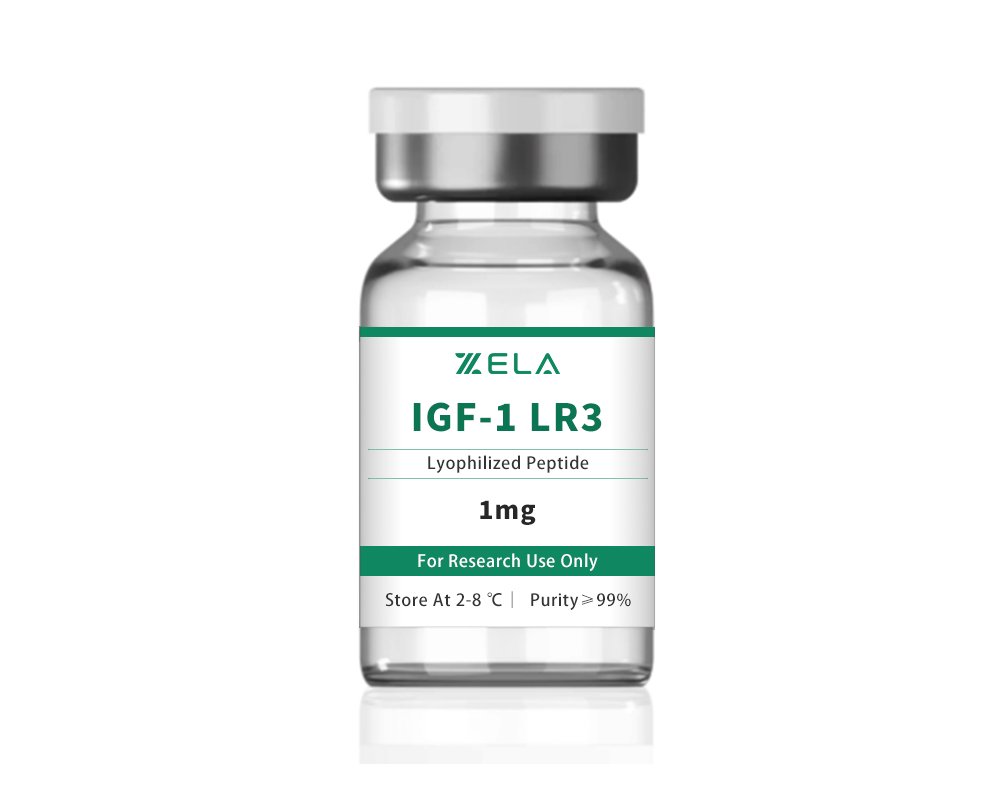
IGF-1 LR3 is a synthetic analog of human insulin-like growth factor-1 engineered with an N-terminal extension (13 amino acids) and a glutamic acid substitution at position 3, resulting in significantly reduced binding affinity to IGF binding proteins[1]. This modification extends the peptide’s half-life from minutes (native IGF-1) to several hours and enhances systemic bioavailability[2].
The extended circulation time allows for once-daily administration protocols in research settings. Unlike native IGF-1, which requires frequent dosing, IGF-1 LR3 maintains more stable plasma levels throughout the day[11]. The peptide exhibits anabolic and metabolic activities through IGF-1 receptor binding, though it has never been approved for therapeutic human use and remains confined to research applications[12].
Studies examining IGF-1 and its analogs demonstrate effects on cellular growth, protein synthesis, and metabolic regulation. The insulin-like properties of IGF-1 LR3 necessitate careful attention to blood glucose management, particularly during initial dosing and titration phases[6].
Potential Benefits & Side Effects
Observations from preclinical and clinical literature on IGF-1 and its analogs.
Potential Research Observations:
- Enhanced anabolic signaling and protein synthesis in target tissues[1].
- Extended bioavailability compared to native IGF-1 due to reduced binding protein interaction[2].
- Metabolic effects through IGF-1 receptor pathways.
Important Safety Considerations:
- Hypoglycemia risk: The most significant concern with IGF-1 LR3 is its insulin-like effect on blood glucose; symptoms may include shakiness, confusion, sweating, or dizziness[6]. Always administer with food and monitor for glucose-related symptoms.
- No FDA approval: IGF-1 LR3 has never received regulatory approval for human therapeutic use and is restricted to research applications[12].
- Injection site reactions: Mild local irritation, redness, or discomfort may occur; proper technique and site rotation minimize these effects[8].
- Dose-dependent effects: Safety concerns increase substantially at doses exceeding 50–60 mcg/day; conservative dosing protocols are strongly recommended[2].
- Receptor desensitization: Continuous use beyond 6–8 weeks may lead to diminished response; cycling protocols (e.g., 8 weeks on, 4–8 weeks off) are commonly employed[7].
Lifestyle Factors
Complementary strategies to support research protocol outcomes.
- Nutrition: Maintain adequate protein intake (1.6–2.2 g/kg body weight) to support anabolic processes; ensure regular meal timing to manage blood glucose stability.
- Training: Combine resistance training protocols with appropriate recovery periods; IGF-1 signaling pathways are activated by mechanical loading.
- Sleep & Recovery: Prioritize 7–9 hours of quality sleep nightly to optimize endogenous growth factor production and tissue repair processes.
- Hydration: Maintain consistent hydration status to support metabolic function and peptide distribution.
- Glucose monitoring: Consider periodic blood glucose checks during dose titration, especially if experiencing any hypoglycemic symptoms.

 BRL R$


Reviews
There are no reviews yet.