Description
How This Works
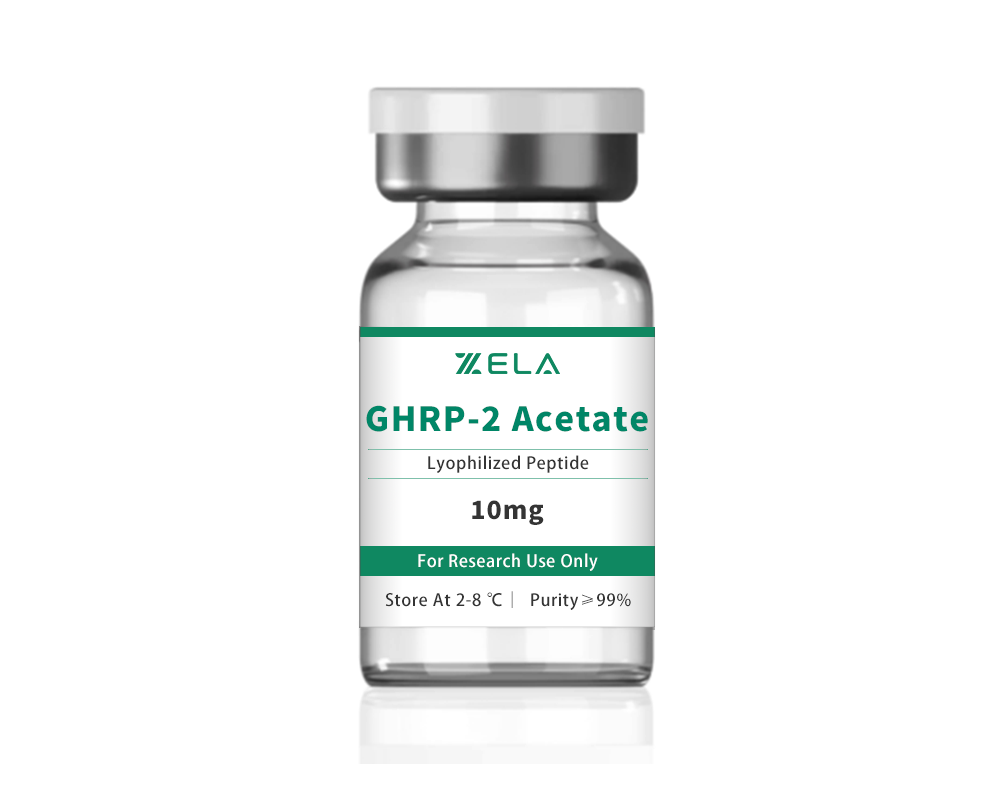
GHRP-2 is a growth hormone‑releasing peptide that acts as a ghrelin receptor agonist (GHS‑R1a)[1]. By binding to receptors in both the pituitary and hypothalamus, it triggers robust, pulsatile GH release that mimics natural secretion patterns[2]. Clinical studies have demonstrated that even a single 100 mcg subcutaneous dose can raise GH levels several‑fold above baseline[4]. When administered consistently, GHRP-2 can elevate IGF‑1 levels over weeks to months[5]. However, the GH response may attenuate with continuous daily use (tachyphylaxis), which is why titration strategies and periodic breaks are often incorporated[4][7].
Potential Benefits & Side Effects
Observations from preclinical and clinical literature.
Potential Benefits
- Potent stimulation of endogenous GH release without suppressing natural production[1].
- Elevation of IGF‑1 levels with sustained administration (~50% increase reported in some studies)[5].
- Used clinically as a diagnostic tool for GH deficiency evaluation[3].
- May support recovery, body composition, and sleep quality (anecdotally reported).
Potential Side Effects
- Increased appetite (ghrelin‑mimetic action) — especially pronounced shortly after injection[1].
- Transient flushing, warmth, or tingling at injection site.
- Possible mild increases in cortisol and prolactin at higher doses[6].
- Water retention or joint stiffness with prolonged high‑dose use.
- Response attenuation (tachyphylaxis) with continuous daily dosing[4].
Lifestyle Factors
Complementary strategies for best outcomes.
- Administer on an empty stomach or before sleep to optimize GH pulse amplitude.
- Pair with a balanced, protein‑forward diet tailored to energy needs and recovery goals.
- Combine resistance training and aerobic activity to support GH/IGF‑1 axis benefits.
- Prioritize 7–9 hours of quality sleep to synergize with natural nocturnal GH secretion.
- Manage stress levels, as elevated cortisol can blunt GH response.

 BRL R$


Reviews
There are no reviews yet.