Description
How This Works
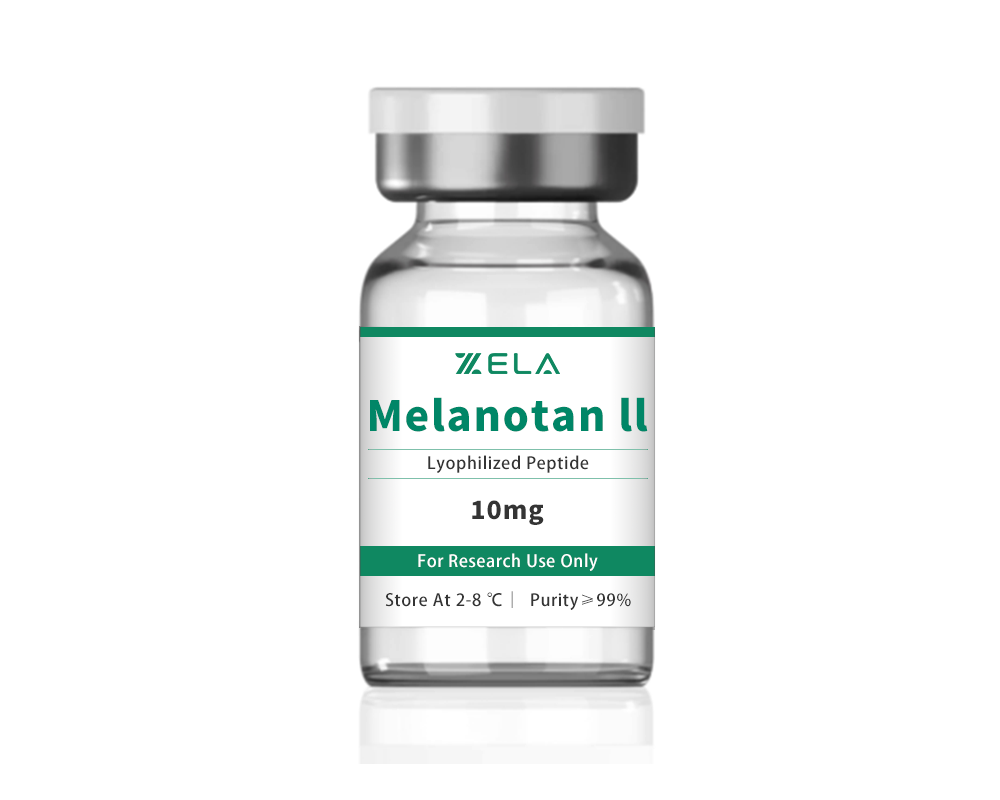
Melanotan II is a synthetic cyclic heptapeptide analog of α-melanocyte-stimulating hormone that binds to melanocortin receptors, particularly MC1R and MC4R[1]. Activation of MC1R on melanocytes stimulates melanin production and distribution, resulting in increased skin pigmentation even without UV exposure[2]. Early Phase I studies in humans identified 0.025 mg/kg per day (approximately 1.5–2 mg for an average adult) as an appropriate dose, with measurable tanning observed after just five low doses administered over two weeks[1]. The peptide’s subcutaneous administration allows for steady melanocortin receptor activation, with effects accumulating over the course of daily injections during the initial tanning phase[3].
Potential Benefits & Side Effects
Observations from clinical trials and case reports.
Potential Benefits
- Increases skin pigmentation (tanning) without UV exposure requirement[1][2].
- Tanning effects observable after 5–10 daily injections in most individuals[1].
- May induce spontaneous erections in men as a noted side effect (MC4R activation)[3][5].
- Maintenance dosing (1–2× weekly) can sustain pigmentation after initial loading phase[3].
Common Side Effects
- Nausea (dose-dependent; most common at higher doses)[1][2].
- Facial flushing and increased skin warmth[3].
- Reduced appetite and mild fatigue[1].
- Spontaneous erections or increased libido in men[5].
- Injection site reactions (redness, mild stinging)[9].
Serious Risks & Warnings
- Not FDA-approved: Melanotan II is not an approved medication; use carries regulatory and safety risks[6].
- Dose-limiting toxicity: Severe sympathomimetic symptoms and rhabdomyolysis reported at 6 mg dose[4].
- Mole changes: May alter pigmentation of existing moles; theoretical melanoma concerns warrant caution[6].
- Cardiovascular effects: Transient increases in heart rate and blood pressure possible at higher doses[3].
Lifestyle Factors
Complementary strategies for safe and effective outcomes.
- UV exposure: Melanotan II increases melanin without UV, but some users combine with minimal UV exposure; always use appropriate sun protection to reduce skin cancer risk[6].
- Hydration: Maintain adequate fluid intake, especially if experiencing nausea or appetite suppression.
- Monitoring: Inspect moles and skin regularly for changes; seek dermatological evaluation if new or changing lesions appear[6].
- Dose discipline: Adhere strictly to conservative dosing protocols; never exceed 2 mg per day to avoid serious adverse effects[4].

 BRL R$


Reviews
There are no reviews yet.