Description
How This Works
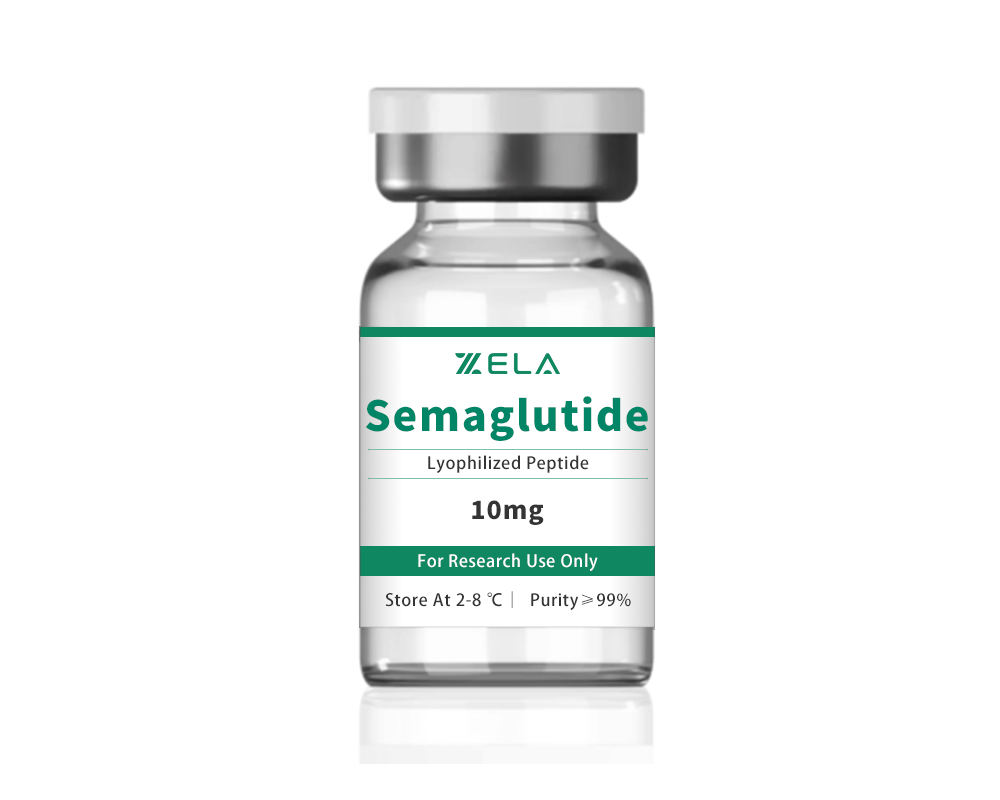
Semaglutide is a GLP-1 receptor agonist with 94% sequence homology to native human GLP-1[4]. It promotes weight loss through multiple mechanisms: reducing appetite and food intake via central nervous system effects, slowing gastric emptying, and improving glycemic control through glucose-dependent insulin secretion[1][3]. The extended half-life of approximately 7 days is due to albumin binding and resistance to DPP-4 degradation, enabling convenient once-weekly dosing[1]. Clinical trials have demonstrated significant weight loss (mean 10–15% body weight reduction) in individuals with obesity when combined with lifestyle interventions[1][5]. The weekly 2.4 mg maintenance dose is FDA-approved for chronic weight management and represents the standard clinical approach[3][4].
Potential Benefits & Side Effects
Observations from clinical literature and regulatory approvals[1][3][5].
Potential Benefits:
- Significant weight loss (mean 10–15% body weight reduction in clinical trials at 2.4 mg weekly dose) when combined with lifestyle modifications[1][5].
- Improved glycemic control through enhanced glucose-dependent insulin secretion and reduced glucagon secretion[3].
- Reduced appetite and food intake via central nervous system GLP-1 receptor activation[1].
- Cardiovascular benefits demonstrated in outcome trials, including reduced risk of major adverse cardiovascular events[6].
- Convenient once-weekly dosing improves adherence compared to daily regimens[1].
Potential Side Effects:
- Gastrointestinal effects (most common): nausea, vomiting, diarrhea, constipation, abdominal pain—typically mild to moderate and decreasing with gradual dose escalation[1][3].
- Injection-site reactions: redness, swelling, or irritation (generally mild and transient)[11].
- Hypoglycemia risk (when combined with insulin or sulfonylureas)—less common with Semaglutide monotherapy due to glucose-dependent mechanism[3].
- Rare serious adverse events: pancreatitis, gallbladder disease, acute kidney injury; thyroid C-cell tumors observed in rodent studies (relevance to humans uncertain)[4].
Lifestyle Factors
Complementary strategies for optimal outcomes with GLP-1 therapy[1][5].
- Maintain a balanced, calorie-controlled diet with adequate protein intake (1.2–1.6 g/kg body weight) to preserve lean muscle mass during weight loss.
- Combine regular physical activity including both resistance training (2–3 days per week) and aerobic exercise (150+ minutes per week) to reinforce metabolic adaptations and improve body composition.
- Prioritize consistent sleep (7–9 hours nightly) and effective stress management to support adherence and metabolic health.
- Stay well-hydrated (8–10 glasses of water daily), especially if experiencing gastrointestinal side effects.
- Monitor progress through regular weigh-ins, body measurements, photos, and consultation with healthcare providers.
- Consider working with a registered dietitian for personalized nutrition guidance during weight loss.

 BRL R$


Reviews
There are no reviews yet.