Description
How This Works
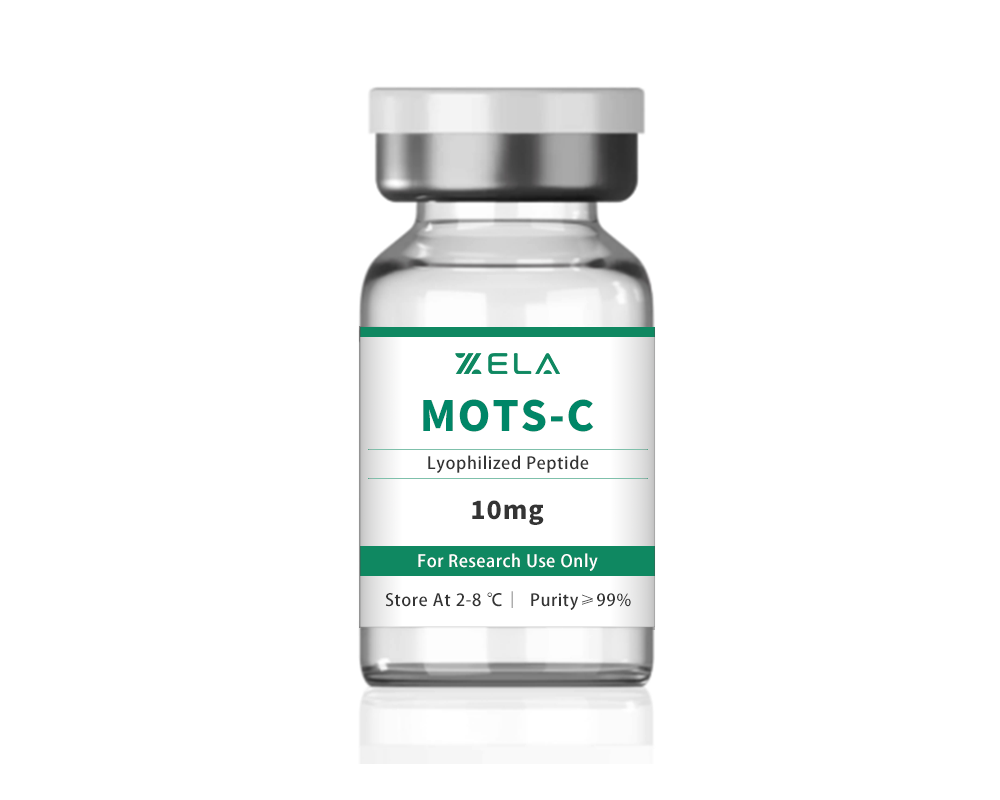
MOTS-c functions as a metabolic “stress signal” that helps optimize energy usage during nutrient stress or exercise[2]. Its primary mechanism is AMPK activation through inhibition of the folate cycle, causing accumulation of AICAR (an AMP analog)[1][2]. Activated AMPK shifts cells into an energy-efficient mode – enhancing glucose uptake, fatty-acid oxidation, and mitochondrial respiration while downregulating fat storage and gluconeogenesis[2].
MOTS-c can also translocate to the cell nucleus under stress conditions and upregulate antioxidant and stress-response genes[2]. This retrograde signaling from mitochondria to nucleus increases expression of cytoprotective enzymes, helping cells cope with oxidative stress. Research indicates MOTS-c may also modulate mTOR and inflammatory pathways, contributing to lifespan and healthspan effects[10]. Its actions resemble those of exercise and metformin at a cellular level[2], making it of great interest for metabolic disorders, obesity, and aging research.
Potential Benefits & Side Effects
Observations from preclinical literature (no human clinical trials completed to date)[8]:
- Metabolic Health: Improves insulin sensitivity and glucose metabolism in mouse models; prevents diet-induced insulin resistance[1][7].
- Weight & Fat Reduction: Prevents obesity and reduces visceral fat in obese mice through increased energy expenditure and fat oxidation[1][7].
- Post-Menopausal Metabolism: Mitigates metabolic decline in ovariectomized mice; prevents menopause-related fat gain and insulin resistance[3].
- Physical Performance: Enhances exercise capacity and counters age-related frailty; old mice ran 2× longer on treadmill tests[4][7].
- Organ Protection: Reduces liver fat accumulation, improves cardiac function, and may support cognitive function in preliminary studies[2][7].
- Bone & Immunity: Promotes osteoblast activity, inhibits osteoclast formation; modulates immune aging and protects pancreatic islet cells in autoimmune diabetes models[5][10].
- Safety: No adverse effects reported in preclinical studies; human tolerability unknown. A modified analog (CB4211) showed good tolerability in a Phase 1 trial[7].
Note: These benefits have been demonstrated only in controlled research settings (mice or cells). Translation to humans requires clinical studies.
Lifestyle Factors
Complementary strategies for best outcomes based on MOTS-c’s metabolic mechanisms.
- Pair with a balanced, protein-forward diet tailored to energy needs.
- Combine resistance training and aerobic activity to reinforce metabolic adaptations and AMPK signaling[4][8].
- Prioritize sleep (7–9 hours) and stress management to support mitochondrial health and recovery.
- Consider intermittent fasting or caloric restriction, which may synergize with MOTS-c’s AMPK-mediated effects.

 BRL R$


Reviews
There are no reviews yet.