Description
How This Works
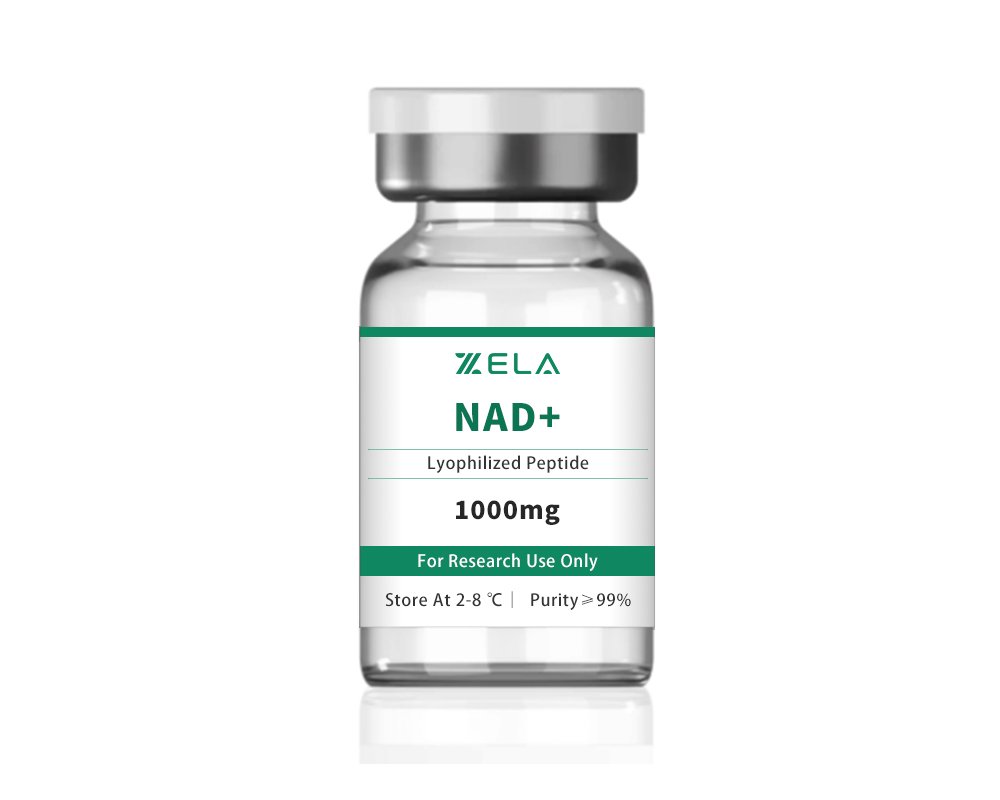
NAD+ is a coenzyme central to redox reactions, energy metabolism (glycolysis, TCA cycle, oxidative phosphorylation), and cellular maintenance pathways including DNA repair and mitochondrial biogenesis[1]. Cellular NAD+ levels decline with age and metabolic stress, which may contribute to reduced mitochondrial function and impaired cellular resilience[8].
Clinical research on NAD+ therapy has primarily used intravenous infusions at high doses (500–1,000 mg) for applications such as addiction treatment and acute metabolic support[2][9]. A pilot metabolic study demonstrated that a 750 mg NAD+ IV infusion over 6 hours was well‑tolerated in humans, with rapid metabolic clearance and no acute toxicity[10]. However, IV administration requires clinical supervision and specialized equipment.
Subcutaneous (SC) or intramuscular (IM) injections at lower doses (tens to low hundreds of milligrams) are emerging as practical alternatives for maintenance therapy and wellness applications[3][11]. Compounded NAD+ can be administered SC in small volumes, and SC self‑injection is convenient for ongoing use[12]. Conservative protocols start around 50–100 mg per injection a few times per week; the present protocol uses daily SC administration with gradual titration to optimize individual tolerance and response.
Potential Benefits & Side Effects
Observations from preclinical models and clinical case reports.
Potential Benefits (Reported in Literature)
- May support cellular energy production and mitochondrial function through replenishment of NAD+ pools[1][8].
- Human case reports and pilot studies suggest benefits at 100–300 mg/day ranges for cognitive support and metabolic health[13].
- High‑dose IV protocols (500–1,500 mg daily for ~10 days) have been used in open‑label studies for substance use disorder, with reports of reduced cravings and improved mood in follow‑ups[2][9].
- No severe adverse events have been reported in published NAD+/NADH trials; side effects are generally mild[14].
Potential Side Effects
- High doses can produce adverse reactions such as insomnia, anxiety, or fatigue if escalated too quickly; gradual titration is advised[4].
- Mild injection‑site reactions (redness, itching, soreness) may occur with subcutaneous administration; typically resolve with site rotation.
- Some individuals report transient headache or flushing; these effects are generally dose‑dependent.
- Doses exceeding ~200–300 mg/day should generally be reserved for supervised therapeutic use due to potential for metabolic byproduct accumulation[15].
Lifestyle Factors
Complementary strategies to maximize NAD+ therapy outcomes.
- Nutrition: Consume a balanced diet rich in NAD+ precursors (niacin/vitamin B3, tryptophan) and support nutrients (B‑vitamins, magnesium). Consider foods that support methylation pathways.
- Exercise: Regular physical activity (both resistance training and aerobic exercise) naturally upregulates cellular NAD+ biosynthesis and enhances mitochondrial adaptations.
- Sleep: Prioritize 7–9 hours of quality sleep per night to support cellular repair processes and optimize circadian NAD+ metabolism.
- Stress Management: Chronic stress depletes NAD+ pools through activation of poly(ADP‑ribose) polymerases (PARPs); incorporate stress‑reduction practices like meditation or yoga.
- Avoid Excessive Alcohol: Alcohol metabolism consumes NAD+; moderate or eliminate alcohol intake during NAD+ protocols.

 BRL R$


Reviews
There are no reviews yet.