Description
How This Works
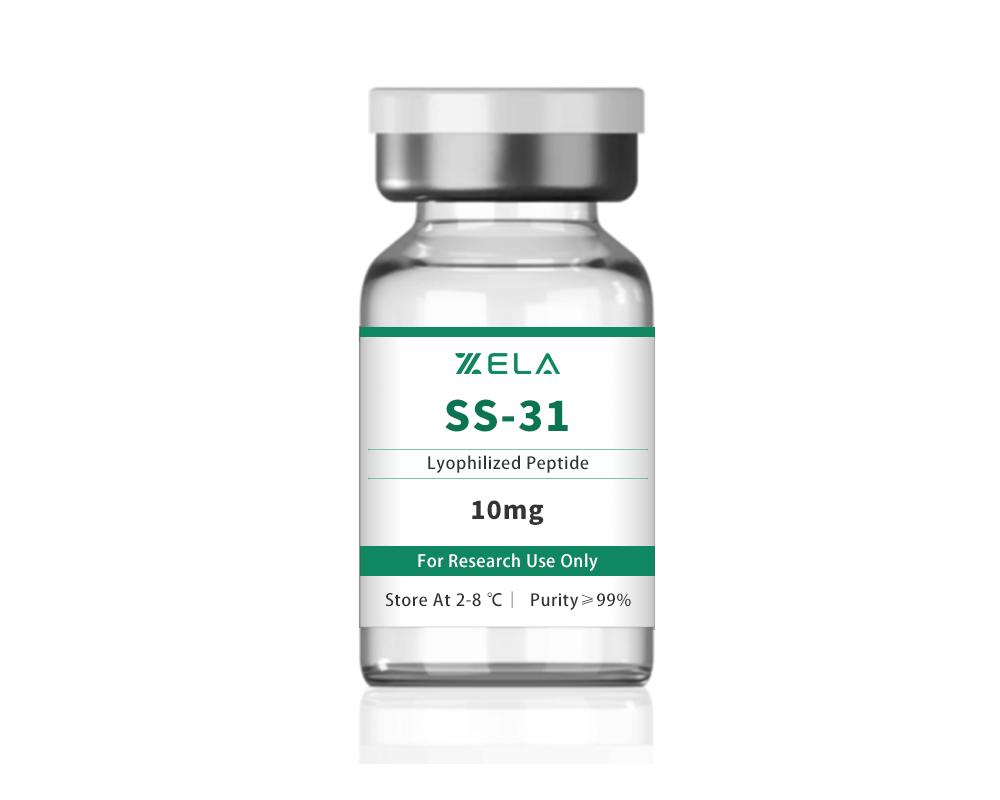
SS‑31 (elamipretide) is a cell‑permeable tetrapeptide with a unique mechanism of action targeting mitochondrial dysfunction[1]. The peptide selectively accumulates in the inner mitochondrial membrane where it binds to cardiolipin, a specialized phospholipid essential for organizing electron transport chain supercomplexes and maintaining cristae structure[2][7]. By stabilizing cardiolipin‑protein interactions, SS‑31 optimizes electron transport efficiency, reduces pathological reactive oxygen species generation, and enhances ATP synthesis in metabolically active tissues[8].
Preclinical research demonstrated that SS‑31 protects against mitochondrial dysfunction across multiple disease models including heart failure, ischemia‑reperfusion injury, neurodegeneration, chronic kidney disease, and age‑related muscle atrophy[9]. In human clinical trials, SS‑31 showed favorable safety and tolerability profiles with no dose‑limiting toxicities[4][5]. While Phase II trials in heart failure and primary mitochondrial myopathy did not meet primary efficacy endpoints, the TAZPOWER trial in Barth syndrome demonstrated significant improvements in muscle strength and six‑minute walk distance, leading to FDA accelerated approval in 2025[3][10].
Potential Benefits & Side Effects
Observations from preclinical models and human clinical trials.
Potential Benefits:
- Stabilizes mitochondrial membranes and optimizes electron transport chain function[1][2].
- Enhances ATP production and reduces pathological reactive oxygen species in metabolically active tissues[8].
- Demonstrated functional improvements in Barth syndrome patients (increased muscle strength, improved exercise capacity)[3][10].
- Shows protective effects in preclinical models of heart failure, neurodegenerative disease, and age‑related muscle atrophy[9].
- Does not significantly alter blood pressure, heart rate, or standard laboratory parameters in clinical trials[4].
Common Side Effects:
- Injection‑site reactions (most common): Mild‑to‑moderate redness, itching, or transient discomfort at injection site; typically resolves within hours[4][6].
- Approximately 80% of patients in clinical trials experienced mild injection‑site reactions[6].
- No dose‑limiting toxicities or serious adverse events directly attributed to SS‑31 in published trials[4][5].
- Long‑term safety data beyond 12 weeks remains limited; extended use requires monitoring.
Lifestyle Factors
Complementary strategies to support mitochondrial health and optimize outcomes.
- Nutrition: Emphasize mitochondrial cofactors including B‑vitamins, CoQ10, magnesium, and alpha‑lipoic acid; maintain adequate protein intake to support muscle maintenance.
- Exercise: Combine resistance training with aerobic activity to stimulate mitochondrial biogenesis and enhance oxidative capacity; tailor intensity to individual tolerance.
- Sleep: Prioritize 7–9 hours of quality sleep to support cellular repair processes and optimize mitochondrial turnover through autophagy.
- Stress Management: Chronic stress increases oxidative burden; incorporate stress‑reduction practices such as meditation, breathwork, or yoga.
- Avoid Mitotoxins: Minimize exposure to substances that impair mitochondrial function, including excessive alcohol, certain medications (when possible), and environmental toxins.

 BRL R$


Reviews
There are no reviews yet.