Description
How This Works
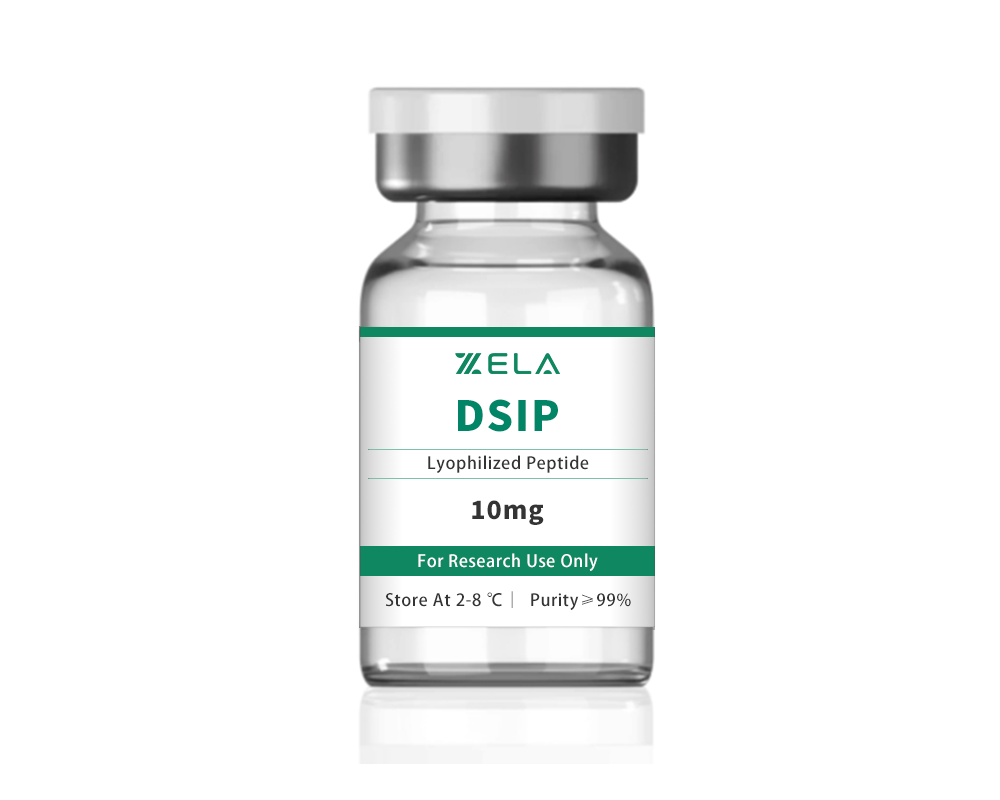
DSIP acts as a neuromodulator of the sleep-wake cycle and stress response. Administration consistently increases delta-wave (slow-wave) sleep in EEG recordings[2], suggesting it promotes the initiation and maintenance of deep, non-REM sleep. DSIP readily crosses the blood-brain barrier to exert central effects[7] and may enhance inhibitory neuronal activity or modulate sleep-regulating brain regions. Additionally, DSIP attenuates ACTH and corticosterone release in response to stress, indicating an effect on the hypothalamic-pituitary-adrenal axis[8]. Unlike conventional sedatives, DSIP tends to normalize sleep architecture without next-day grogginess[3].
Potential Benefits & Side Effects
Observations from preclinical and clinical literature.
- Supports improved sleep quality and increased slow-wave (delta) sleep duration[2][3].
- May help normalize disrupted sleep patterns in chronic insomnia[3].
- Shows potential for stress reduction and mood support through HPA axis modulation[8][9].
- Remarkably safe profile: animal studies found no lethal dose even at extremely high doses; human studies report only mild, transient side effects (occasional headache or nausea)[1][8].
- Occasional mild injection-site reactions (redness/itch) may occur with subcutaneous administration.
Lifestyle Factors
Complementary strategies for best outcomes.
- Maintain consistent sleep-wake schedules to reinforce circadian rhythm.
- Limit caffeine and screen exposure in the evening hours.
- Create a dark, cool sleep environment to support natural melatonin production.
- Prioritize stress management techniques and regular physical activity during daytime hours.

 BRL R$


Reviews
There are no reviews yet.